For centuries, a curse uttered in the Scottish Borders carried a distinctly Northumbrian address. The phrase "Gang to Hexham" served as a regional euphemism for damnation, a linguistic relic of the town's violent frontier history.
The Idiom and Its Variants
The expression "Gang to Hexham!" or "Go to Hexham!" was used in the Scottish Borders as a substitute for "Go to hell!", according to historical dialect records noted by The Northern Echo. A more elaborate variant, "To Hexham wi' you an' ye'r whussel!", was recorded in 1873. The term "Hexham-birnie" also entered local vocabulary, denoting an indefinitely remote place.
A Frontier Town in the Firing Line
Hexham's fearsome reputation grew from its position on the Anglo-Scottish frontier. The town was burnt by William Wallace in 1297 during the Wars of Scottish Independence. In 1312, Robert the Bruce demanded and received £2,000 from the town and its monastery in exchange for sparing it from destruction. The monastery was sacked again in 1346 by King David II of Scotland.
Blood in the Market Place
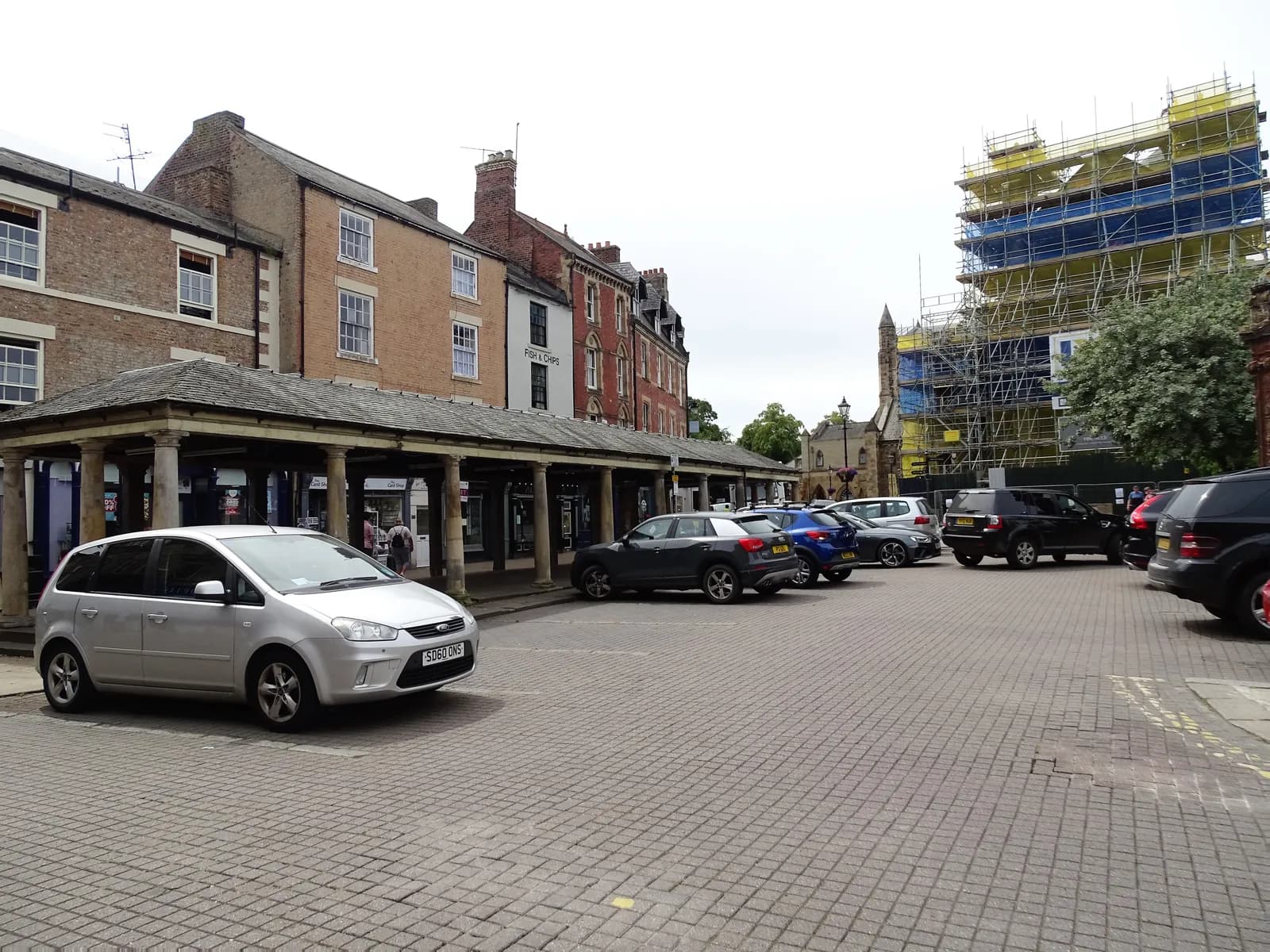
The town's association with violent death was reinforced during the Wars of the Roses. The Battle of Hexham took place in 1464, after which the Lancastrian commander Henry Beaufort, 3rd Duke of Somerset, was executed in Hexham market place.
The Hexham Butchers
The town's grim reputation persisted into the eighteenth century. During the Hexham Riot of 1761, troops of the North York Militia fired upon a crowd protesting changes to militia service criteria in the Market Place, killing approximately 45 protesters. The regiment earned the enduring nickname "The Hexham Butchers".
A Linguistic Legacy
By the nineteenth century, Hexham had become embedded in Border dialect as shorthand for a remote or cursed destination. The phrase "Gang to Hexham" is now largely obsolete, yet it preserves a time when the town's name alone was sufficient to conjure dread on both sides of the border.