On the morning of 15 May 1464, the meadows beside the Devil's Water south of Hexham became the killing ground that ended Lancastrian hopes in northern England. The battle that unfolded there was brief, brutal, and decisive: within hours, the Yorkist commander John Neville had destroyed an army loyal to Henry VI and set in motion the executions that would follow in Hexham marketplace that same evening.
The Campaign That Led to Hexham
By the spring of 1464, the Wars of the Roses had raged for nearly a decade. Edward IV sat on the throne, but Lancastrian resistance persisted in the north, where the deposed Henry VI still commanded loyalty. Following their defeat at the Battle of Hedgeley Moor on 25 April 1464, the Lancastrian forces under Henry Beaufort, 3rd Duke of Somerset, retreated through Northumberland seeking to rally support before Edward IV could muster his full strength at Leicester.
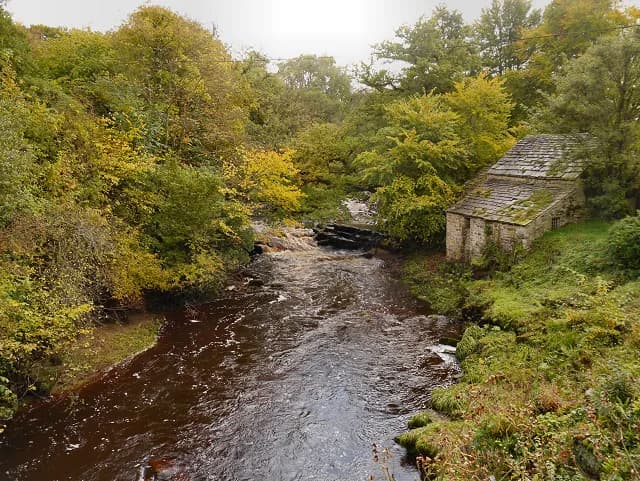
Somerset established his camp near Linnels Bridge over the Devil's Water, a narrow but powerful river that rises in the Hexhamshire moors and flows into the Tyne between Hexham and Corbridge. The name "Devil's Water" derives from a Brittonic compound meaning "black stream," corrupted over centuries by English speakers into its present ominous form.
The Battle Unfolds
John Neville, Baron Montagu, commanded the Yorkist forces numbering between 3,000 and 4,000 men, though some sources suggest his army may have reached 10,000. He crossed onto the south bank of the Tyne on the night of 12–13 May and by the morning of 14 May was in position to strike.
Somerset arrayed his approximately 5,000 men in three detachments in a meadow near the Devil's Water. The terrain would prove fatal to his cause. When the Yorkists charged from higher ground, the Lancastrian right flank under Lord Roos broke almost immediately, fleeing across the Devil's Water before proper engagement could occur.
With their line collapsed, the Lancastrian army disintegrated into a chaotic rout. Trapped between the Yorkist advance and the steep banks of the Devil's Water, hundreds of Somerset's men drowned in the river or were crushed attempting to scramble up the inclines. Survivors who made it across found themselves trapped in West Dipton Wood on the north bank, where they were forced to surrender.
Contemporary accounts describe the battle as "relatively bloodless" in terms of actual combat, but deadly in the rout that followed. The geography of the Hexham countryside had done the killing.
The Executions at Hexham
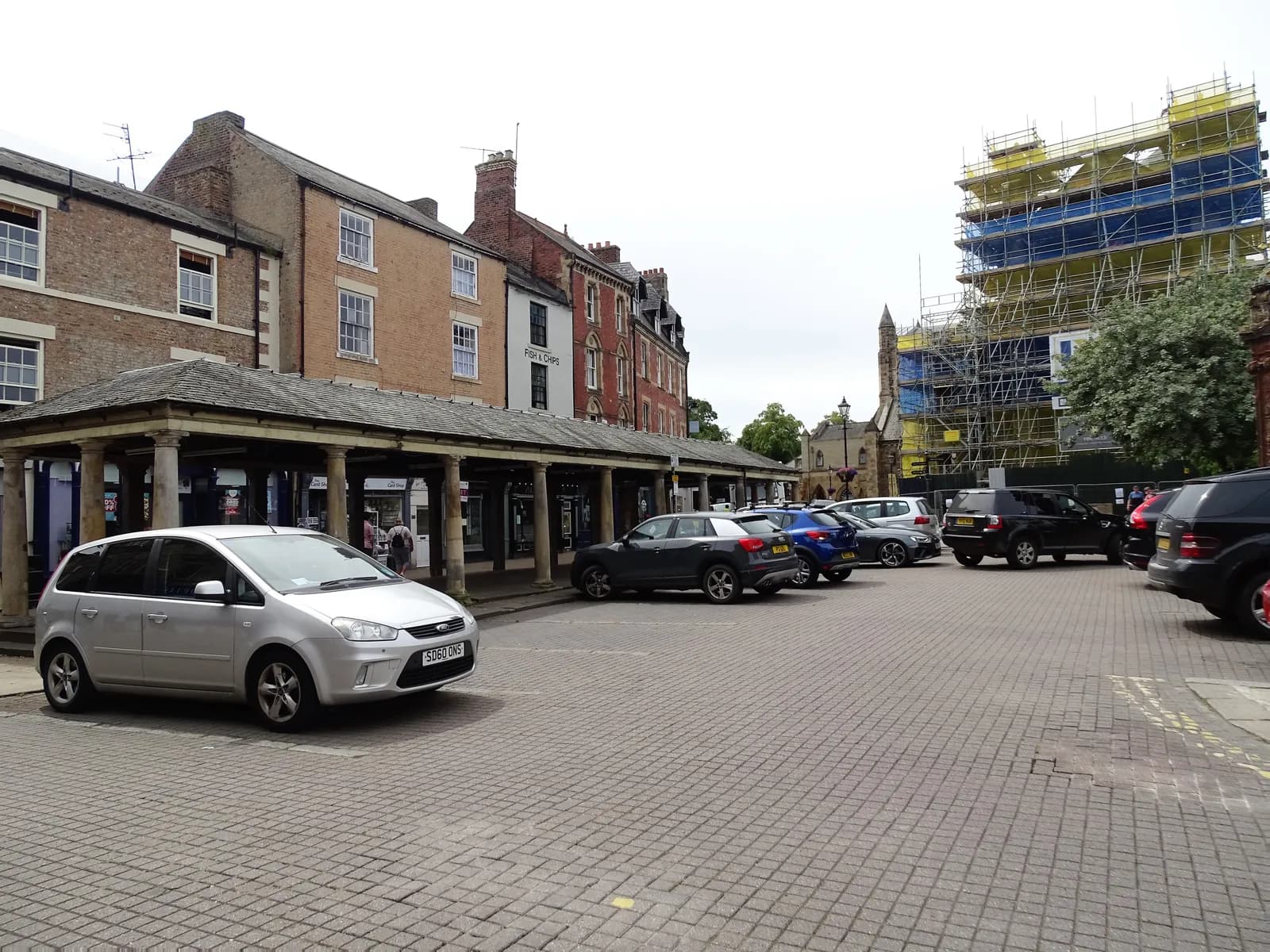
Neville wasted no time consolidating his victory. That same evening, thirty leading Lancastrians were executed in Hexham marketplace. Among them was Somerset himself, captured hiding in a barn at "Dukes House" (now known as Dukesfield). He was brought to Hexham and beheaded on 15 May 1464, his body interred at Hexham Abbey.
Other prominent Lancastrians executed included Thomas Ros, 9th Baron Ros; Robert Hungerford, 3rd Baron Hungerford; and Sir William Tailboys, who was captured with £2,000 of Henry VI's war chest in his possession. The systematic elimination of Lancastrian leadership demonstrated the ruthlessness of fifteenth-century civil warfare.
Aftermath and Significance
The Battle of Hexham marked the effective end of significant Lancastrian resistance in northern England. Henry VI escaped the field but was reduced to hiding in the countryside, eventually captured at Waddington Hall in Lancashire on 13 July 1465. Only a handful of castles remained in rebel hands, and Edward IV would not face a serious challenge to his throne until the Earl of Warwick's defection in 1469.
For his victories at Hedgeley Moor and Hexham, John Neville was created Earl of Northumberland. The battlefield itself, while disputed in exact location, is known to have lain south of Hexham town.
Legacy in Hexham Today
The tangible connections to 1464 remain visible in Hexham. The helmet worn by the Duke of Somerset at the battle was traditionally kept at Hexham Abbey before being taken by Colonel John Fenwick; it is now displayed at Hexham Old Gaol museum. Somerset's burial at Hexham Abbey provides a permanent link between the town and the Lancastrian cause's final northern stand.
Local legend has long claimed that Queen Margaret of Anjou took refuge in "The Queen's Cave" on the south side of West Dipton Burn after the battle. The cave exists, but historians note that Margaret had already fled to France by the time of Hexham, making the tale a romantic fiction rather than historical fact.
The Devil's Water continues its course through Northumberland, its 26.3-kilometre length passing through countryside that witnessed one of the decisive moments of English medieval history. The name that echoed across the battlefield that May morning still describes the river where so many Lancastrian soldiers met their end.