A century-old ginger beer recipe acquired as loan collateral has transformed a modest Northumberland door-to-door drinks business into an internationally recognised botanical brewery, with Hexham at its heart.
The Origins of an Accidental Empire
In 1905, Thomas Fentiman, an iron puddler from Cleckheaton in West Yorkshire, found himself the unlikely owner of a botanically brewed ginger beer recipe. A fellow tradesman had approached him seeking a loan; when the debt went unpaid, Fentiman accepted the recipe as settlement. What began as financial misfortune for one man became the foundation of a family enterprise that would span generations.
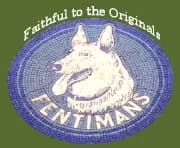
Fentiman began producing the ginger beer using traditional methods: milling fresh ginger roots, simmering them in copper steam-jacketed pans, and combining them with herbs, sugar, spring water, and brewer's yeast. The mixture fermented in wooden vats for seven days before being decanted into handmade stone jars known locally as "grey hens." Each jar bore the likeness of Fentiman's German Shepherd, Fearless, who had won the Crufts obedience class in both 1933 and 1934. That same dog remains the company logo today, guarding the entrance to Fearless House on Anick Road.
The early business model relied on horse-drawn vehicles delivering products door-to-door throughout the region, a practice that continued for decades until changing consumer habits and the arrival of supermarkets forced the original company to close in the mid-1960s.
Revival in Hexham
The Fentimans name might have faded into history were it not for Eldon Robson, Thomas Fentiman's great-grandson. In 1988, Robson re-established the business with a commitment to the original recipe and a dedication to 100% natural ingredients. He located the revived brewery in Hexham, a Northumberland market town that has since become synonymous with the brand.
The company's commitment to traditional botanical brewing methods sets it apart from mass-market soft drinks manufacturers. The process involves infusion, blending, and fermentation of natural ingredients including roots, bark, and flowers. Each batch undergoes a minimum seven-day fermentation period, with the liquid tasted every twelve hours to ensure consistency. The recipe incorporates ingredients sourced from across the globe: Chinese ginger, Indonesian quinine, and Bulgarian rose oil among them.
International Expansion and Local Roots
From its Hexham base, Fentimans has grown into a genuinely global enterprise. The company has franchised operations in the United States, where products are manufactured in Pennsylvania and distributed across North America using identical brewery equipment to that employed in Northumberland. More than two-thirds of overseas sales occur in Europe, with significant markets also established in Japan, South America, Canada, and Russia.
The current product range extends far beyond the original ginger beer, encompassing more than twenty soft drinks and mixers. The lineup includes Curiosity Cola, Dandelion & Burdock, Rose Lemonade, Victorian Lemonade, various tonic waters, and an alcoholic ginger beer marketed under the Hollows & Fentimans brand.
The Maine Controversy
Global success has not come without complications. In 2009, Fentimans Victorian Lemonade sparked an unexpected controversy in the American state of Maine. A schoolboy examining the label noticed the beverage contained "up to 0.5% alcohol," a by-product of the fermentation process. State authorities reclassified the drink as "imitation liquor" and prohibited sales to individuals under 21.
Fentimans responded by noting the actual alcohol content was closer to 0.3%, comparable to that found in mouthwash or certain chewing gums. The company calculated that a person would need to consume 200 fluid ounces (5.7 litres) of the lemonade to ingest the equivalent alcohol of a single beer. Whilst the episode generated unwelcome regulatory attention, it also provided substantial free publicity that raised the brand's profile in the American market.
Hexham Today
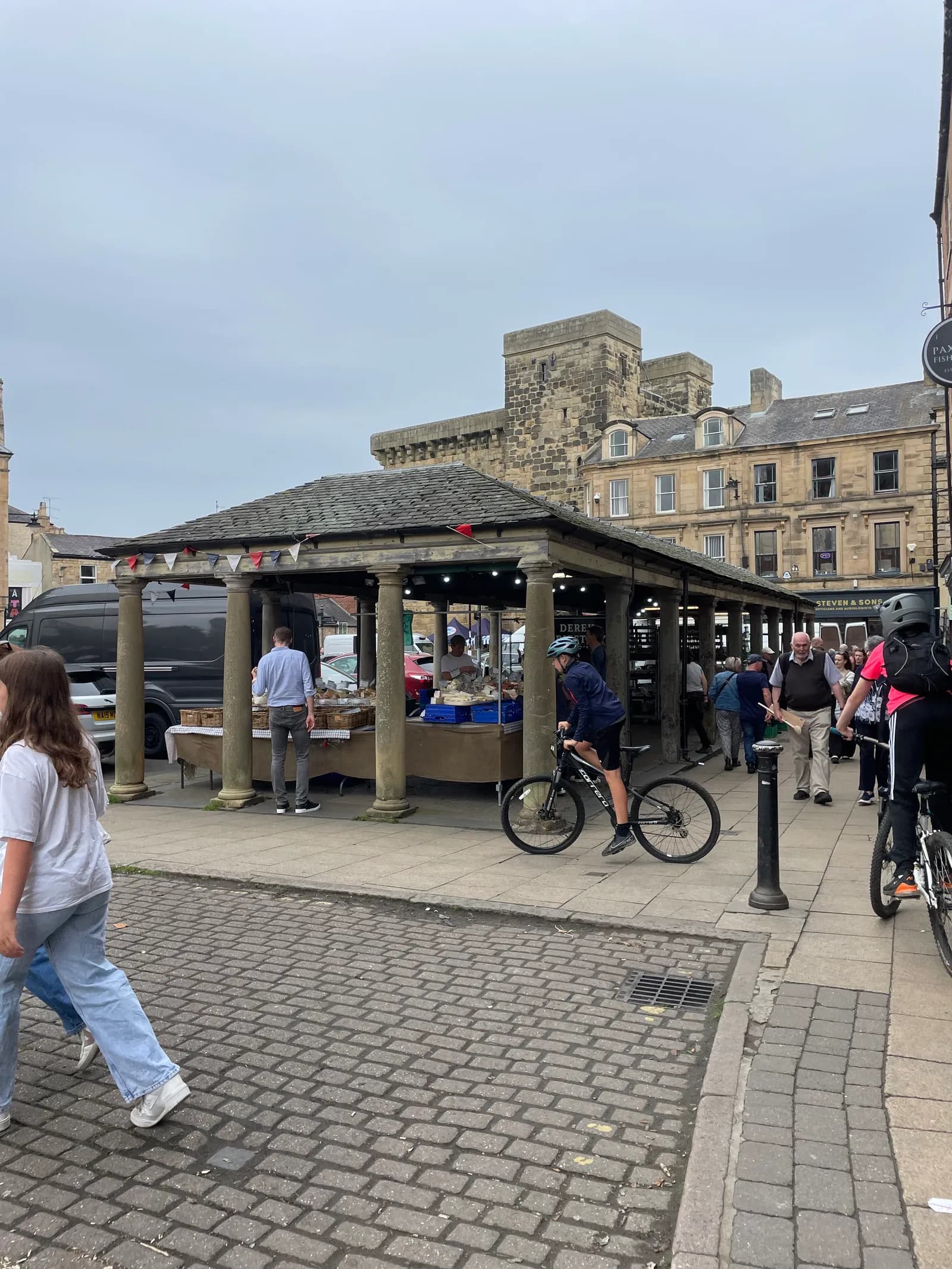
Fentimans' headquarters remain in Hexham at Fearless House on Beaufront Park, Anick Road. The company's presence contributes to the local economy and places the Northumberland market town on the international commercial map alongside other major regional employers.
Hexham itself, with a population of 11,829 according to the 2011 census, has received recognition for its quality of life and commercial character. The town won the "Britain in Bloom" award in 2005 and was named "England's Favourite Market Town" by Country Life magazine the same year. Fentimans' commitment to artisanal production methods and natural ingredients aligns with this reputation for quality and tradition.
The company is now owned by A.G. Barr, the Scottish soft drinks group perhaps best known for Irn-Bru, though operations continue from the Hexham location that has been home to the brand for decades. The grey hens may have disappeared, but the stone jars' legacy endures in a business that began with an unpaid debt and grew into a global botanical brewing operation, still headquartered in the Northumberland town where Fearless the German Shepherd first lent his likeness to a fledgling drinks enterprise.